Home / HOA and Neighborhood Approval for Metal Gates in Georgetown
HOA and Neighborhood Approval for Metal Gates in Georgetown
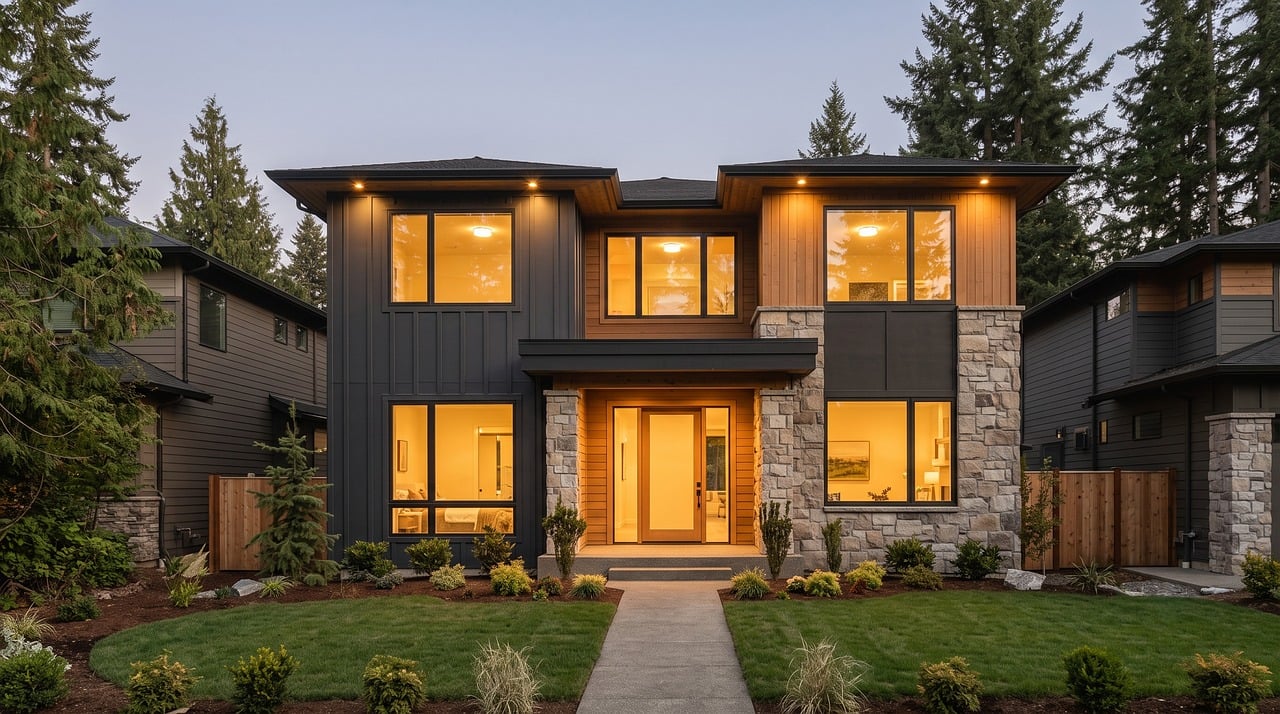
A gate in a Georgetown neighborhood with an association needs the association's written approval before any metal is ordered, and the approval is separate from anything the city requires. Committees decide on color, height, style, materials and placement, usually within a few weeks of a complete submission. A clean packet with photos, a scaled drawing and a material list gets approved far more often than a casual email, and a denial can almost always be answered with a revised design.
Why the association has a say
Most Georgetown subdivisions built in the last few decades carry recorded covenants. Buyers agree to them at closing, and they run with the land. The covenants give an architectural control committee the power to approve or refuse exterior changes, and fences and gates are almost always on the list. The age restricted communities on the west side, the large master planned neighborhoods and the smaller infill subdivisions all follow the same basic pattern, though the details differ from one to the next.
The city never enforces those covenants. A city permit does not override them, and a committee approval does not replace a city permit. Both sets of rules apply at once, and the stricter one decides what can be built.
Find the actual rules first
Many owners work from memory or from a neighbor's advice, and the rules turn out to be different. The documents to find are the declaration of covenants, any design guidelines the committee has adopted, and the current application form. Management companies usually post these on a resident portal, and the county clerk's records hold the recorded declaration. Read for four things: whether gates and fences are covered, which materials are allowed, any height limit, and any color list.
Some neighborhoods specify black or bronze finishes only. Some forbid solid panels in view of the street. Some limit front yard fencing altogether but allow a gate on a driveway or a side yard. A few require that a gate match the fence line already installed by the builder. Reading those lines before designing saves the cost of a redraw.
What a strong submission contains
Committees are volunteers or a small management staff with a pile of requests. A packet that answers their questions in one pass moves to the top of the stack. A complete submission usually includes:
- A filled application form, signed by the owner.
- A site plan or a marked copy of the plat showing where the gate and any posts will sit, with distances from the lot line and the street.
- A scaled drawing of the gate itself, showing height, width, bar spacing, top detail and any infill panels.
- The material and finish, named plainly, for example powder coated steel in a specific black.
- Photos of the front of the house and the spot where the gate will go, taken from the street.
- A short note on hardware and, for a driveway gate, the opener and where its controls will mount.
If the fabricator can supply a rendering or a photo of a similar finished gate, include it. Reviewers respond to pictures.
What reviewers look for
Review comes down to a handful of questions. Does the gate match the style of the house and the street? Does it fit the neighborhood's color palette? Is it the right height compared with neighboring fences? Does it sit where the rules allow? Will it affect a neighbor's view or a shared fence? A gate that looks like it belongs usually passes. A gate that is taller, darker, more ornate or more solid than anything nearby draws questions.
Open bar designs with a simple top line are the easiest to approve. Decorative scrollwork, tall finials and solid infill panels need a stronger case, and a few communities simply refuse them. If the design is borderline, ask the committee chair or manager for informal feedback on a sketch before paying for a final drawing.
Timing
Covenants often set a review period, commonly thirty days or so after a complete application, and some say that silence for a stated period counts as approval while others say the opposite. Read the clause. Do not schedule the install until the written approval is in hand. A fabricator who has a shop slot ready will understand a delay, and a deposit paid before approval is a deposit at risk.
Committees meet on a schedule. A packet submitted the day after a meeting waits for the next one. Check the calendar and submit early.
Working with a manager or board
Politeness and specifics go a long way. Address the packet to the committee, state what is being built in the first sentence, and list the attachments. If a neighbor shares the fence line, mention that the neighbor has been told. Where the covenants require neighbor signatures, collect them before submitting. A short, factual cover note beats a long argument.
If the answer is no
A denial letter should state the reason. Common reasons are a color outside the list, a height over the limit, solid panels, or a location in front of the building line. Most can be fixed by changing the drawing. Ask whether a revised submission will be accepted without a new fee, and ask whether the committee will meet briefly to talk through the changes. Some covenants include an appeal to the full board or a variance process, and the denial letter should say how to use it.
Building anyway is a bad bet. Associations can send violation notices, levy fines and, in some cases, go to court to force removal. The cost of removing a custom steel gate dwarfs the cost of a redesign.
Gates on the edge of the rules
Many communities allow a gate in a side yard or backyard fence with much lighter review than a front yard gate, since the street does not see it. Others allow a driveway gate only with a certain setback from the curb so that a car can stop off the street. A pedestrian gate that matches the existing builder fence is the easiest request of all. If the goal is privacy, ask whether an interior courtyard gate or a gate set back at the garage line qualifies, since these often face fewer limits than a gate at the sidewalk.
Rental and shared properties
Tenants cannot approve changes to the building, and a landlord's approval may also need to clear the association. Townhome and duplex owners often share a fence or an entry, and a gate there can involve the neighbor and the association at once. Sort out ownership of the fence line and the shared walk before drawing anything.
Keep the approval with the permit file
When the city or a buyer asks, the written approval shows the gate was built with permission. Store the approval letter with the drawings, the permit receipt and the photos of the finished job. If the board changes later, the letter answers any question about whether the gate was allowed.
In Georgetown, a few weeks of paperwork at the start protects a gate that will stand for decades. The association is a rule to meet, not an obstacle, and a thoughtful packet is the surest way through it.