Home / Fire Access and Emergency Entry for Gated Georgetown Properties
Fire Access and Emergency Entry for Gated Georgetown Properties
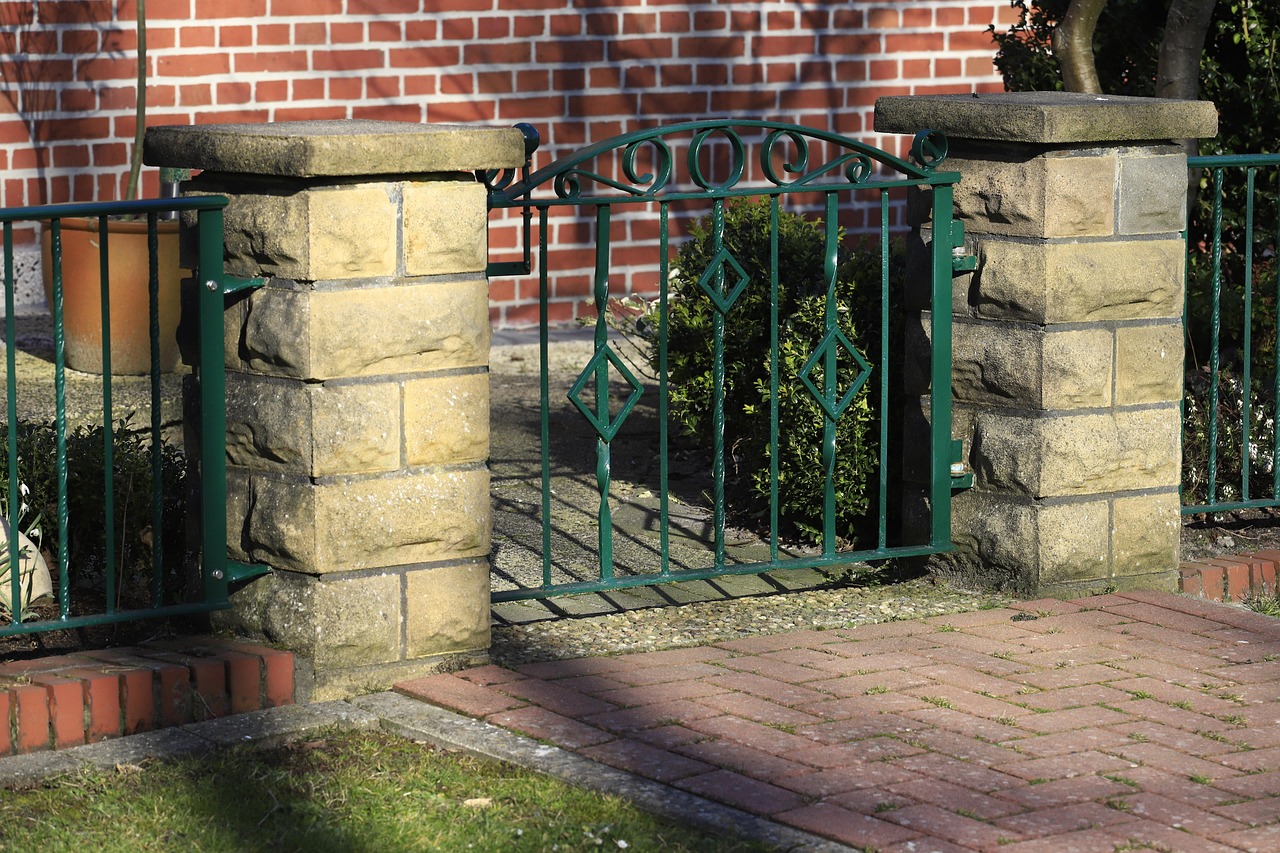
A gate in Georgetown should never be the thing that slows a fire engine or an ambulance. The design goals are a clear opening wide enough for emergency vehicles, a way to open the gate when the power is out, a way for crews to enter without damaging anything, and house numbers a crew can read from the street. Properties inside the city and properties in the county outside it may have different requirements, so the fire department's guidance for the specific address is the one to follow.
Why responders care about gates
Every minute counts in a house fire or a medical call. A crew that reaches a locked gate has to find a way in: call the owner, find a code, cut a chain or force the operator. Each of those costs time. In many communities the fire marshal can require that a gated entry to a commercial site, a multifamily property or a long private drive include a specific entry method. On a single family home the rules are lighter, but the same logic applies, and a gate planned with responders in mind is a gate that does its job without risk.
Clear width
Fire apparatus is wide, and a driveway gate that clears a pickup may not clear an engine. Fire codes commonly call for a clear opening of around twenty feet on required fire access roads, and the exact figure for a given property comes from the fire marshal's office. For a single home on a short drive, the question is usually whether an ambulance can reach the door, and an opening of twelve to sixteen feet serves that need. Ask for the number instead of guessing. Measure the clear opening between the posts and the swung leaves, not the frame to frame distance, since hinges and operators take up space.
Turning radius matters as much as width. A gate set close to a curb forces a long vehicle to swing wide across the street, and a gate that opens inward into a short drive can leave no room for the leaf to move. Setting the gate back from the street by a vehicle length gives crews and delivery trucks space to stop off the road while the leaf opens.
Opening without power
Automatic gates run on electricity, and Texas storms, heat waves and freezes cause outages. A gate that cannot be moved when the power is off is a trap. Every operator should have a manual release that a person can use without tools or special skill, such as a lever, a key release or a quick disconnect. The release should be reachable from outside the gate for the crews, not only from the house side. Battery backup is a good second layer. A battery that powers an operator through several cycles during an outage lets the gate open and close normally until the grid returns.
The owner should test the manual release every season. A release that has not been moved in two years can seize with rust or grit, and the discovery should not come during an emergency.
Rapid entry boxes
Many fire departments use a small locked box mounted near the entry that holds a key or a code card. The box itself is opened by a master key that the department carries. Programs like this exist so that responders can open a gate, a door or a garage without breaking anything. Whether a program is offered in Georgetown, and how an owner joins it, is a question for the fire department. If it is available, mount the box on a post or the column beside the gate, at a height and in a place a crew can reach from a truck window or on foot.
For gates that use an access control keypad or a card reader, the department may also ask for a keyed override, a siren sensor that opens the gate when it hears an emergency siren, or a code shared with dispatch. Each of these has a cost and a place. Ask which the department prefers and design to that.
Sirens, sensors and emergency openers
Some operators accept a signal from a preemptive device on a fire engine, which opens the gate as the vehicle nears. Others listen for the pattern of a siren. These work well on subdivision entries and large properties, and they can be added to many operators after installation. They need to be tested with the department, not assumed to work. A system that has never been tested is a hope, not a plan.
Locks and chains
A padlock and chain on a farm gate or a back entrance is common on acreage around Georgetown, and the fire department can handle chains with bolt cutters. A hardened, shrouded padlock that resists cutting can cause real delay. If responders may need to enter, avoid the shrouded model or add a second keyed lock that the department can open through a lock box. For a gate on a rural drive, consider a second smaller gate or a lift off section that is easy to open from the outside.
Numbers that can be read
A crew cannot help a house it cannot find. House numbers should be large, high contrast and visible from the street in both directions, mounted on the gate, a post or a column near the entry. Reflective numbers help at night. If the home is down a long drive, put a second set at the junction with the road. Numbers on the house wall do not count if a gate blocks the view of the house. On a rural address, a standard reflective post marker at the road is the minimum.
Keep the approach clear
Overhanging branches, parked cars and ornamental planting can block an approach as surely as a locked gate. Trim trees back to give a clear height of around fourteen feet over the drive, keep the path of the gate leaf free of planters and boulders, and avoid placing a mailbox or lamp post where it narrows the opening. After a storm, check the approach for downed limbs.
Gated communities
Neighborhood entries with call boxes and keypads are common in Georgetown. Responders usually have a protocol with the community, and the management company holds the details. Residents can help by keeping the community's entry system working, keeping the directory current and making sure guests know to give the correct address. A dead keypad at a community entry is a problem for the whole street, not only for the unit that is calling for help.
Questions to ask the fire department
- What clear width does the department want at this address?
- Does the department use a rapid entry box program, and how does an owner enroll?
- Is a siren sensor or emergency opener recommended for this type of gate?
- Are there rules for house numbers at a gated entry?
- For a property outside the city limits, which agency responds and who sets the access standard?
Plan it into the design
All of this is cheap to include on the drawing and expensive to retrofit. Width, manual release, battery backup, a place for the lock box and the placement of the numbers can all be written into the fabricator's scope before a single post is set. A gate drawn this way is easier to approve with an association and easier to defend with an inspector.
A gate in Georgetown protects a home, and a good one also lets help in quickly. Build for both, test the release every season, and the gate will be an asset on the day it matters most.